Patents

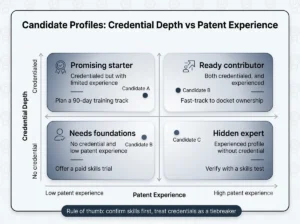
Do Patent Paralegals Need Certification? What Firms Actually Require
A partner posts a job for a patent paralegal and receives forty applications. Half list a national certification. The other half list five years of

A partner posts a job for a patent paralegal and receives forty applications. Half list a national certification. The other half list five years of

Quick answer: If you are asking what is in a trademark search report, the short answer is this: a list of every identical and similar

A perfectly drafted patent application can still stall over a margin that is a few millimeters too narrow. It happens more often than most applicants
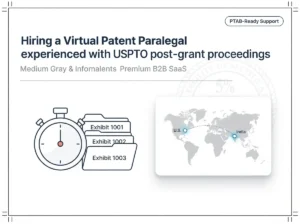
A petition for Inter Partes Review lands on a Friday afternoon, and the clock starts immediately. Exhibits need numbering, a protective order needs tracking, and
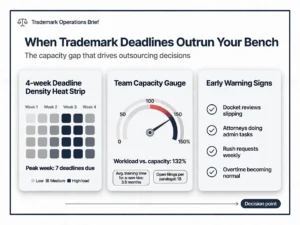
A trademark deadline never cares how busy your team is. An Office Action arrives, a Section 8 window opens, and a TTAB schedule shifts, all
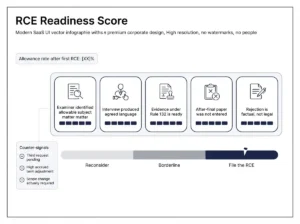
A final rejection lands on a Tuesday. The claims are close, but not close enough. Somewhere in your docketing system a three-month clock has already

