Understanding the Patent Cooperation Treaty
In this section, we will discuss about the Patent Cooperation Treaty and what it is all about. The PCT is a multilateral treaty administered by WIPO since 1970, and it was created to make international patent filing easier, cheaper, and more consistent for applicants around the world.
PCT patent filing route is managed by WIPO. The PCT route is beneficial for every stakeholder in this patent ecosystem. The Patent Cooperation Treaty is a multilateral treaty administered by the World Intellectual Property Organization (WIPO) since 1970. It represents one of the most significant advancements in international intellectual property protection.
Core Objectives of the Patent Cooperation Treaty (Comprehensive PCT Guide):
-
- Facilitate international patent filings for inventors and companies
-
- Reduce duplication of effort in examining patent applications
-
- Create a standardized system for international patent protection
-
- Lower the financial burden of pursuing patents globally
How the Patent Cooperation Treaty Functions: The treaty establishes a cooperative framework where member countries agree to recognize and process international patent applications according to standardized rules. When you file through the PCT international application system, you benefit from uniform procedures, standardized documentation, and coordinated examination processes across participating nations.
The Patent Cooperation Treaty application system doesn’t grant patents directly. Instead, it facilitates the filing process and allows applicants to enter the national or regional patent systems of different countries with a single, priority-dated application. This is a crucial distinction that often confuses applicants new to international patent filing.
Also, Read: PCT Filing Costs and Fees: Complete Breakdown
How the PCT System Works (Comprehensive PCT Guide)
In this comprehensive PCT guide, we are discussing about the PCT application route in detail. In this section, we will discuss about how the PCT system works in a detailed and clear way. The PCT process is divided into two main phases which are the international phase and the national phase, and understanding both of them is very important for any applicant. There are two different phases of the PCT system, one is the International Phase and another one is the National Phase.


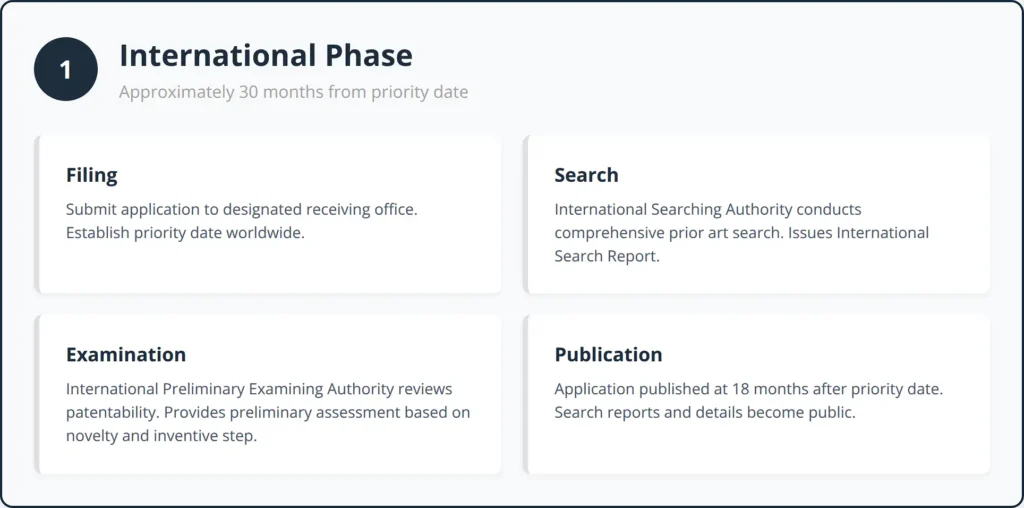
The International Phase (Comprehensive PCT Guide):
During this phase, your PCT international patent application undergoes preliminary examination. Key aspects include:
-
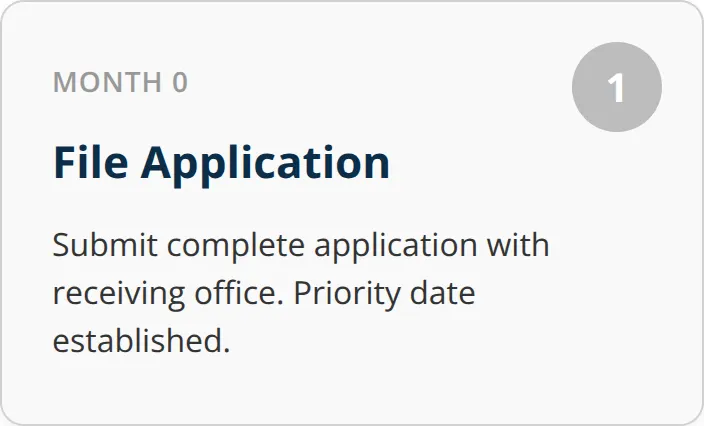
- Filing: You submit your PCT patent filing with the designated receiving office, typically your national patent office or the International Bureau of WIPO
-
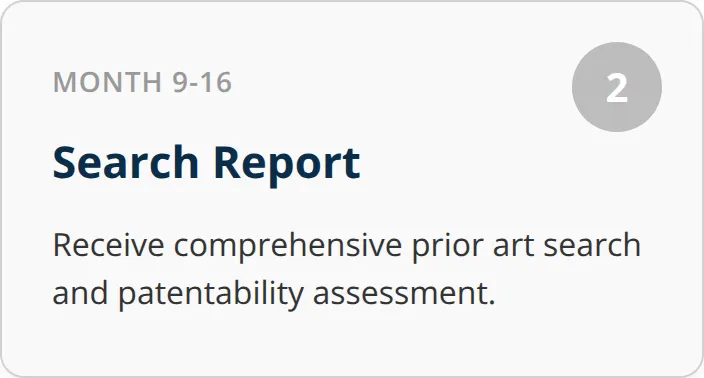
- Search: An International Searching Authority (ISA) conducts a comprehensive prior art search and issues an International Search Report
-
- Preliminary Examination: An International Preliminary Examining Authority (IPEA) reviews the application’s patentability based on novelty, inventive step, and industrial applicability
-
- Publication: Your application is published 18 months after the filing date
-
- Timeline: The international phase lasts approximately 30 months from your priority date
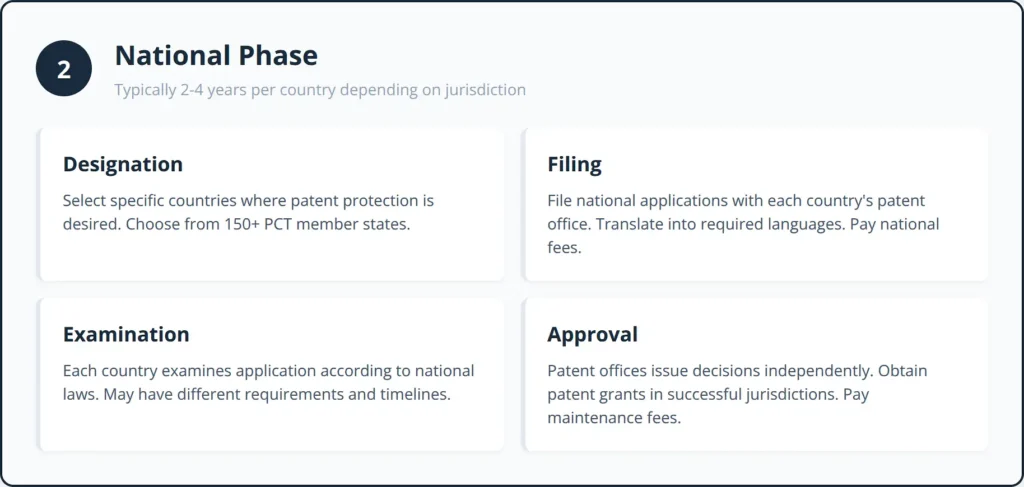
The National Phase:
After the international phase, you enter the national phase in countries where you want patent protection:
-
- Designation Selection: You choose which countries’ patent systems to enter
-
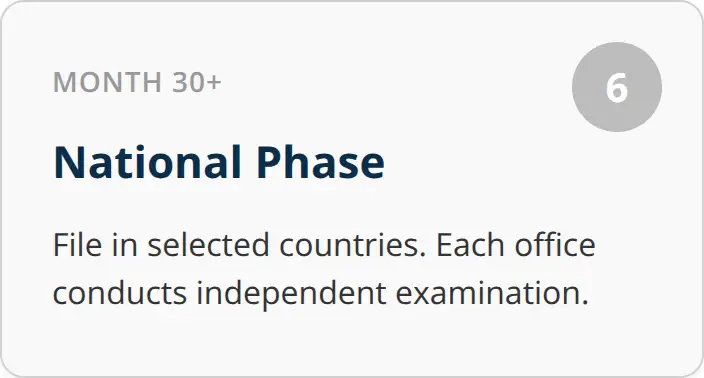
- National Processing: Each designated country examines your application according to its own patent laws
-
- National Examination: Patent offices in each country conduct their own examination and issue decisions
-
- Timeline: National phase typically lasts 2-4 years, depending on the jurisdiction
Critical Timeline: The PCT system provides a crucial 30-month window to decide which countries to pursue. This extended timeline allows you to evaluate market opportunities, secure financing, and develop your commercialization strategy before committing to expensive national filings.
How the PCT System Works – Two Phases
In this part, we will discuss about the two main phases of the PCT system through the visual graphics provided. The first graphic covers the international phase and the second covers the national phase, giving us a clear visual understanding of the complete PCT application journey from start to finish.
Also, Read: PCT Countries and International Coverage
Benefits of Filing Through PCT (Comprehensive PCT Guide)
In this section of this Comprehensive PCT Guide, we will discuss about the benefits of filing patent applications through PCT way or route. In this section, we will discuss about the many benefits of filing patent applications through the PCT route. These benefits include cost efficiency, strategic advantages, procedural benefits, competitive edge, and wide geographic coverage across more than one hundred and fifty participating member countries.
Filing a PCT patent application offers substantial advantages for inventors and businesses seeking international protection.
Cost Efficiency:
-
- Reduced initial filing costs compared to simultaneous national filings in multiple countries
-
- Consolidated documentation and application procedures
-
- Deferred costs: you pay full fees only for countries where you pursue protection
-
- Predictable expense structure with clear fee schedules
Strategic Advantages:
-
- Extended timeline (30 months) to evaluate market viability before committing resources
-
- Time to secure funding or investment based on patent prospects
-
- Ability to conduct competitive analysis and market research
-
- Option to adjust your international strategy based on business developments
Procedural Benefits:
-
- International Search Report provides valuable insight into patentability
-
- Preliminary Examination offers early assessment of invention strength
-
- Standardized application requirements reduce complexity
-
- Single filing date priority across all designated countries maintains novelty protection
Competitive Edge:
-
- Enhanced credibility with investors, partners, and licensees
-
- Protection against competitors filing similar patents in major markets
-
- Flexibility to add or remove countries based on market conditions
-
- Professional examination feedback helps refine your application
Geographic Coverage:
-
- Access to patent protection in over 150 countries
-
- Ability to target specific high-value markets
-
- Equal footing for small businesses competing internationally
-
- Simplified management of multiple patent applications

PCT vs. Direct National Filing: Which is Right for You?
There is one more option, as direct national filing, instead of PCT route. . In this section, we will discuss about the comparison between filing through the PCT route and filing directly in individual national patent offices. We will look at the situations where each option makes more sense and also explore the hybrid approach that many experienced applicants use.
Choose PCT Filing When:
-
- Your invention has international commercial potential
-
- You need time to evaluate which markets are most valuable
-
- You want to minimize initial filing costs while preserving global options
-
- Your budget is limited but your ambitions are international
-
- You’re uncertain about specific country targets
-
- You want standardized examination and search reports
-
- You need to file in multiple countries (typically 3 or more)
Choose Direct National Filing When:
-
- You’ve already identified specific target countries
-
- You want immediate, country-specific patent examination
-
- Your invention is relevant to only one or two markets
-
- You prioritize speed over cost reduction
-
- You need to file in countries with shorter examination timelines
-
- You prefer direct communication with specific national patent offices
-
- Filing cost is not a primary concern
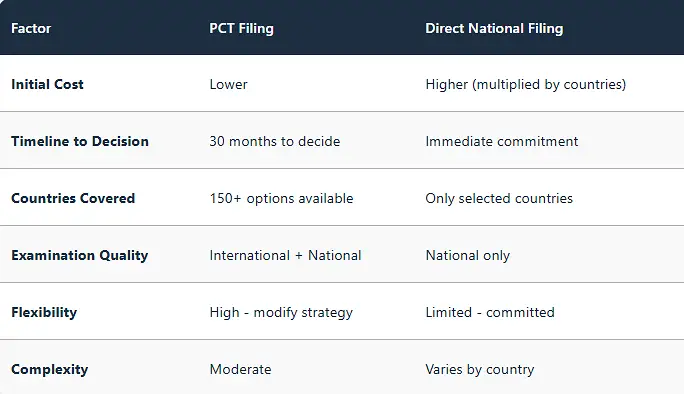
Comparative Analysis:
In this table, we will discuss about the comparison of PCT filing route and direct national filing route. It will include several important factors like initial cost, decision timeline, countries covered, etc.
| Factor | PCT Filing | Direct National Filing |
|---|---|---|
| Initial Cost | Lower | Higher (multiplied by countries) |
| Timeline to Decision | 30 months to decide | Immediate commitment |
| Countries Covered | 150+ options available | Only selected countries |
| Examination Quality | International + National | National only |
| Flexibility | High – modify strategy | Limited – committed |
| Complexity | Moderate | Varies by country |
Hybrid Approach: Many sophisticated filers use a hybrid strategy: file PCT for broad international coverage while simultaneously filing direct national applications in their most critical markets. This combines the strategic advantage of the PCT with immediate examination in key jurisdictions.
Also, Read: National Phase Entry Patent Filing Process, Deadline and Strategy
Step-by-Step Guide to Filing a PCT Application
In this section, we will discuss about the complete step-by-step guide to filing a PCT patent application. There are nine clear steps involved in the process and understanding each one carefully helps us ensure a smooth and successful international patent filing experience. Filing through PCT route has many single steps to follow. If we prepare for them carefully, then these steps are easy to follow. Filing a PCT patent application involves several sequential steps. Understanding each stage helps ensure a smooth and successful filing process.
1: Prepare Your Documentation (Requirement gathering and preparing the documents)
Compile a complete technical description of your invention
-
- Prepare detailed drawings or diagrams (if applicable)
-
- Develop clear claims defining your invention’s scope
-
- Create an abstract summarizing your invention
-
- Gather all supporting documentation
2: Select Your Receiving Office (finalizing the receiving office)
-
- Determine which office will receive your application (typically your national patent office)
-
- Verify that your country is a PCT member state
-
- Confirm filing requirements and fees with your selected office
-
- Prepare required forms (typically Form PCT/RO/101)
3: Submit Your Application (Sending application for further proceed)
-
- File your application with your designated receiving office
-
- Include all required forms and documentation
-
- Pay the required filing fees
-
- Obtain a filing date and application number
-
- This filing date becomes your priority date worldwide
4: International Search Phase (prior-art and patentability search report)
-
- The International Searching Authority examines prior art
-
- You receive an International Search Report within 16 months of priority date
-
- Review the search report for cited references
-
- Evaluate the patentability assessment
-
- Prepare response if necessary
5: International Preliminary Examination (Optional)
-
- Request preliminary examination if desired (available in most PCT systems)
-
- Examiner reviews patentability based on search results
-
- You may file amendments and arguments
-
- Receive a Preliminary Examination Report
-
- This step provides additional assessment before national phase entry
6: Make Strategic Decisions
-
- Analyze search reports and examination feedback
-
- Evaluate market opportunities in potential target countries
-
- Assess patent enforcement feasibility in key jurisdictions
-
- Determine your budget for national phase filings
-
- Identify countries offering the best commercial opportunity
7: Enter the National Phase
-
- Select specific countries for patent protection (before month 30)
-
- File national phase applications with each selected country’s patent office
-
- Translate applications into required languages
-
- Pay national filing fees
-
- Include required local documentation
8: National Examination and Approval
-
- Each country’s patent office examines your application
-
- Address office actions and examination requirements in each jurisdiction
-
- Work with local patent attorneys as needed
-
- Respond to examiner rejections with arguments and amendments
-
- Obtain patent grants in successful jurisdictions
9: Maintenance and Enforcement
-
- Pay maintenance fees to keep patents in force
-
- Monitor for patent infringement in relevant markets
-
- Enforce patents when necessary
-
- File patent office submissions to maintain patent validity